What happens to a medieval story after the Middle Ages end?
Does it go quiet? Does it stay locked in manuscripts, tucked in archives and footnotes? Does it go gently into that good night? Or does it keep moving and shapeshifting, emerging again in paintings, performances, retellings, even digital reconstructions?
That’s the idea behind the new book I’m editing with Trivent Publishing: a collection of essays about the ways medieval stories refuse to stay put. It brings together scholars from art history, literary studies, performance and digital humanities to look at how stories survive: not as frozen artifacts, but as things that shift shape, speak back, and still catch fire.
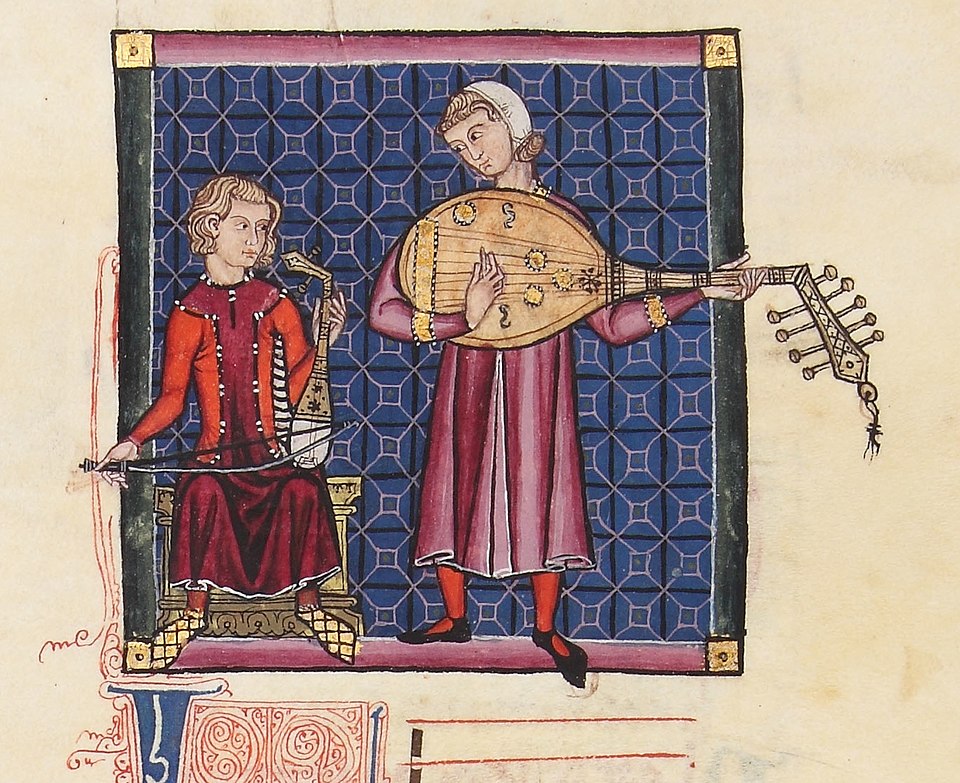
Some of these stories are reborn in 14th-century wedding chests. Some get retold on modern stages. Some are recreated with cutting-edge tech. And some never stopped being told at all.
This is the Middle Ages not as a static archive, but as something alive and kicking. We’re not talking about nostalgia. We’re talking about transformation, about how medieval storytelling always kept reaching out to the present, and how we always kept answering.
It’s for anyone who loves storytelling, art history, literature, performance, or just wants to understand why the Middle Ages still pop up everywhere from fantasy novels to museum walls.
I’ll be sharing more soon. But for now, know that his book is coming. The stories inside it are alive, and they never stopped moving.

Leave a comment