Research Interests
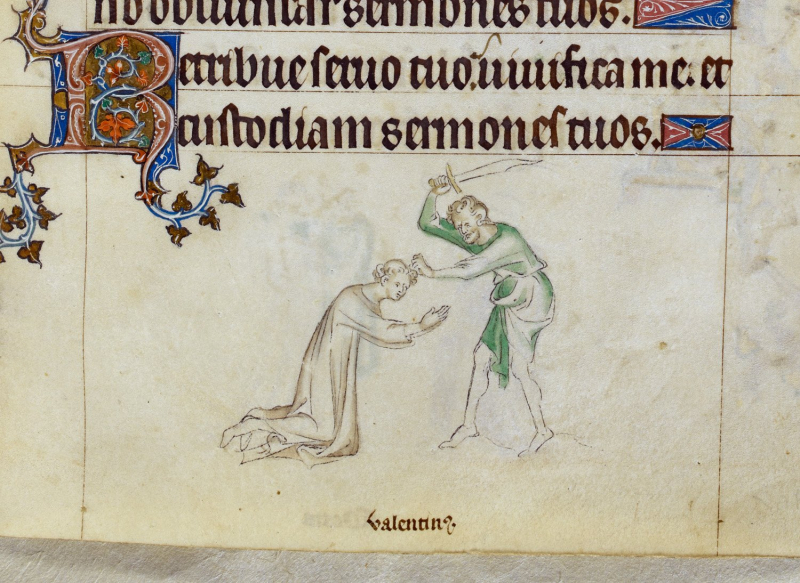
My doctoral research at the University of Edinburgh explored visual humour in manuscript illumination in late medieval France, with early stages supported by the ECA Research Scholarship. I specialise in the intersection of image and text, with a particular focus on how humour operated in medieval visual culture.
Broadly, my research interests include:
– History and theory of humour
– Medieval comedy in text and image
– Performance, gesture and expressivity in medieval and Early Renaissance culture
– Gender, voice and the performative body
– Neo-medievalism and the afterlives of the Middle Ages in popular culture
Alongside my academic work, I investigate how medieval stories can be reactivated through live and digital storytelling, not as reinvention, but as faithful engagement with texts that were always meant to be performed.
For all academic enquiries, visit my University Profile.
Publications
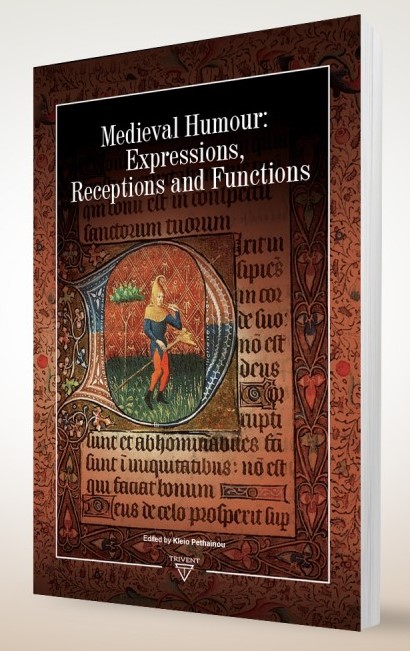
Bringing together voices from art history, literature, theology, and cultural studies, Medieval Humour examines how humour was expressed, received, and understood by medieval audiences. The essays move between the manuscript page and the oral stage, uncovering humour that is rebellious, regulated, and often deeply political.
Whether you’re interested in the Book of Kells, medieval nonsense, or the Deadpool-like antics of Arthurian heroes, this collection offers fresh insights into why people laughed then — and why it still matters now.
Teaching
Following four years of teaching History of Art I, I was awarded the Edinburgh Teaching Award and became an Associate Fellow of the Higher Education Academy.
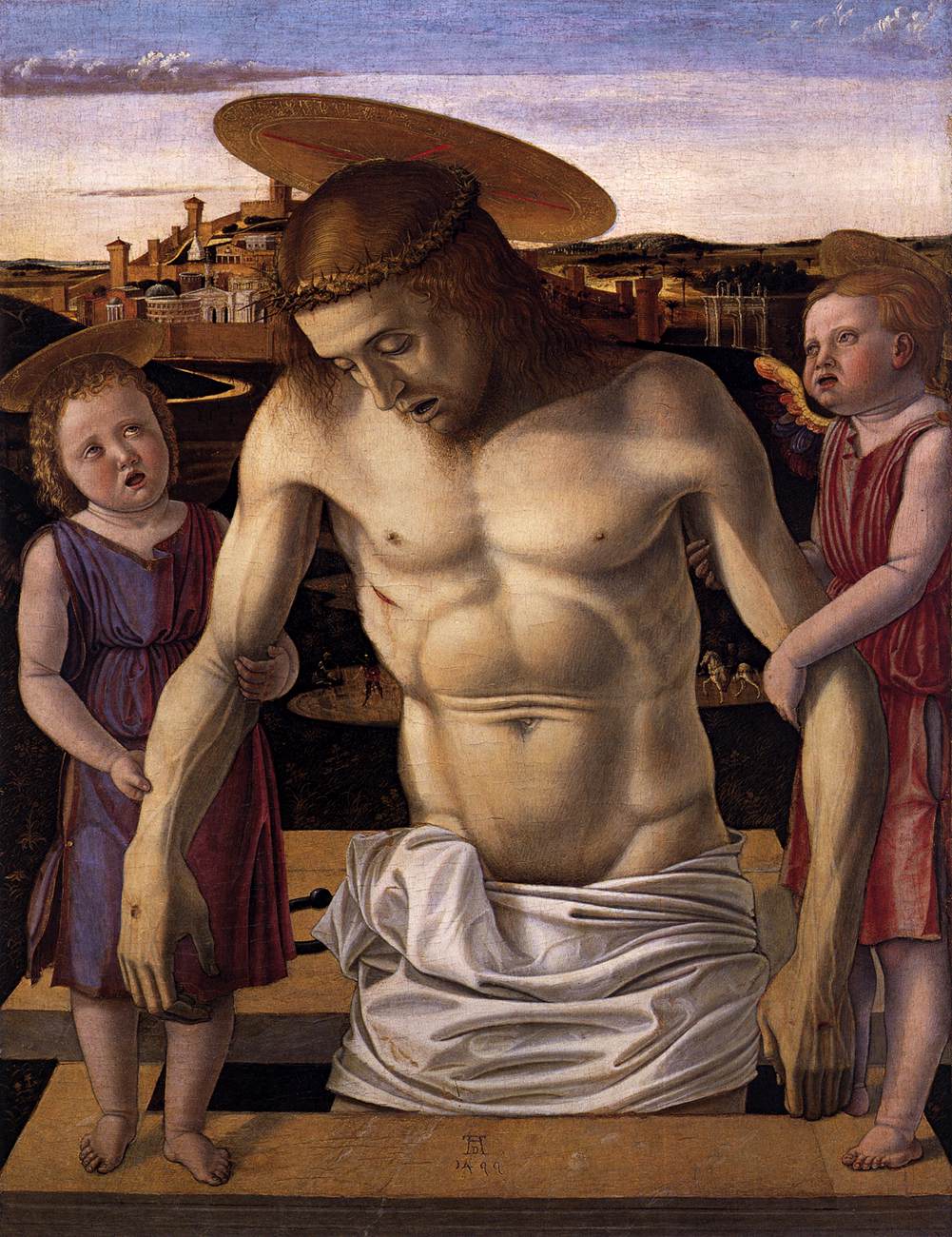
Giovanni Bellini, The Dead Christ supported by Two Angels, ca 1465-70. © Copyright The National Gallery, London 2019
My tutorials addressed developments in European and global art from the Middle Ages to the 18th century. We considered issues surrounding art and identity, including gender, sexuality, nationality, religious and political belief, as well as issues surrounding the art objects themselves, such as patronage, materiality, display and reception. We engaged with colonialism, provenance and intercultural relations, and explored how different religions and power structures impacted upon artists, objects and audiences.
